
Justin Tiu Lerias was making 500 pastries out of his apartment when he realized he no longer had a home. He had a production kitchen with a bed in it.
The freezer was full. The fridge was full. Every surface was staging for the next pop-up, the next sellout, the next round of longganisa croissants filled with the Filipino breakfast sausage he grew up eating in the southern Philippines before moving to Chicago at 14.
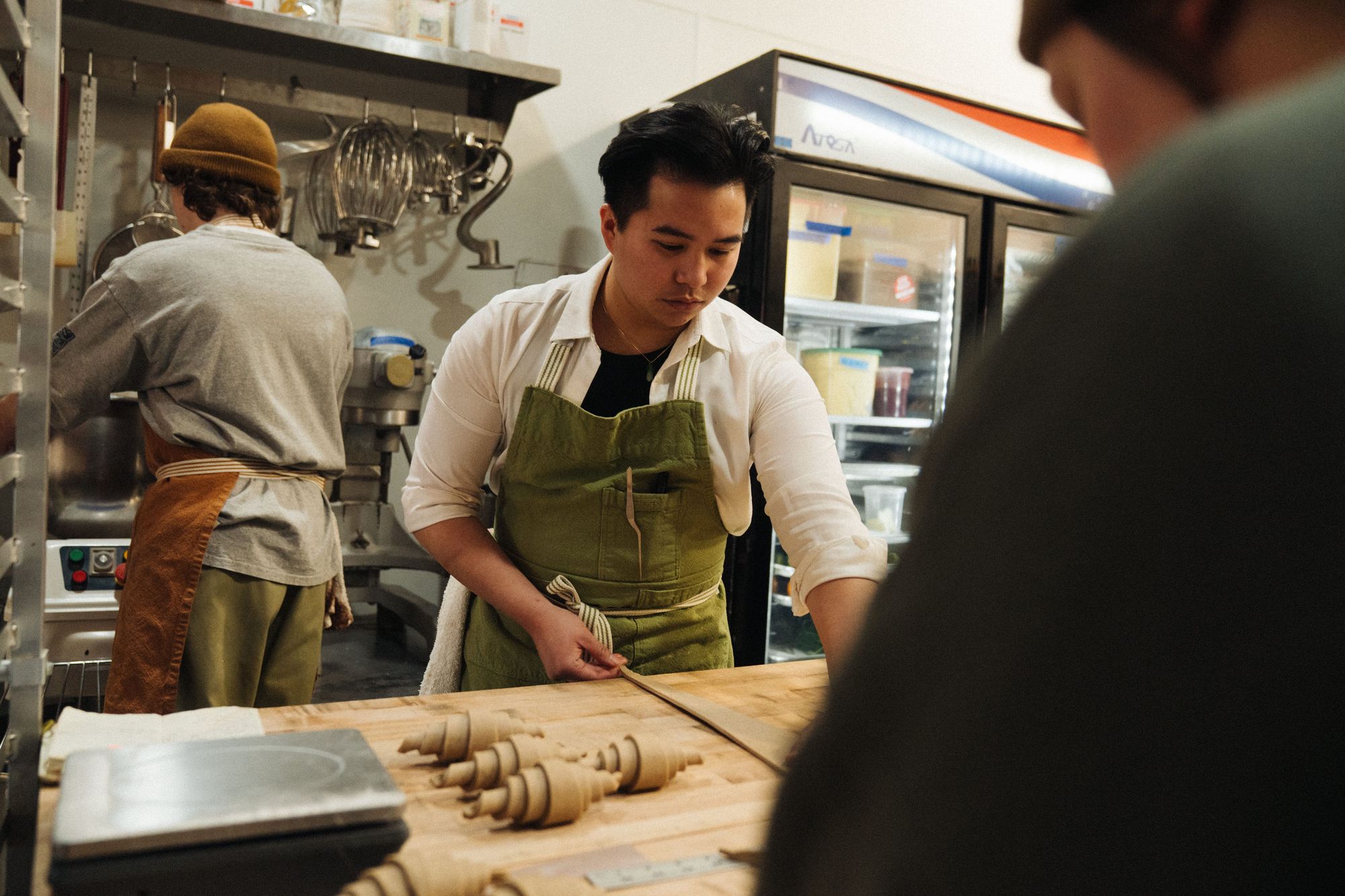
The pastries weren't supposed to become a business. They were supposed to be an escape. Lerias was working as a pastry chef at an American southern restaurant, making food he wasn't passionate about, when he started baking at home. The recipes came from memory. The flavors came from childhood. The technique came from years in professional kitchens. What emerged was something he hadn't seen before: pastries that looked like one thing and tasted like another.
For two years, he ran pop-ups at Side Practice Coffee, selling out every time. The community that showed up week after week became the foundation for what came next. When Lerias finally decided to open a brick-and-mortar, they helped him raise the funds to do it.
"It looks very different," he says, "but it tastes very familiar."
From the South
Del Sur translates to "from the south." Lerias's family comes from the southern region of the Philippines. He spent his childhood there before immigrating to the US as a teenager. The name was supposed to honor his mother directly, but she declined. So he named it after the place instead.
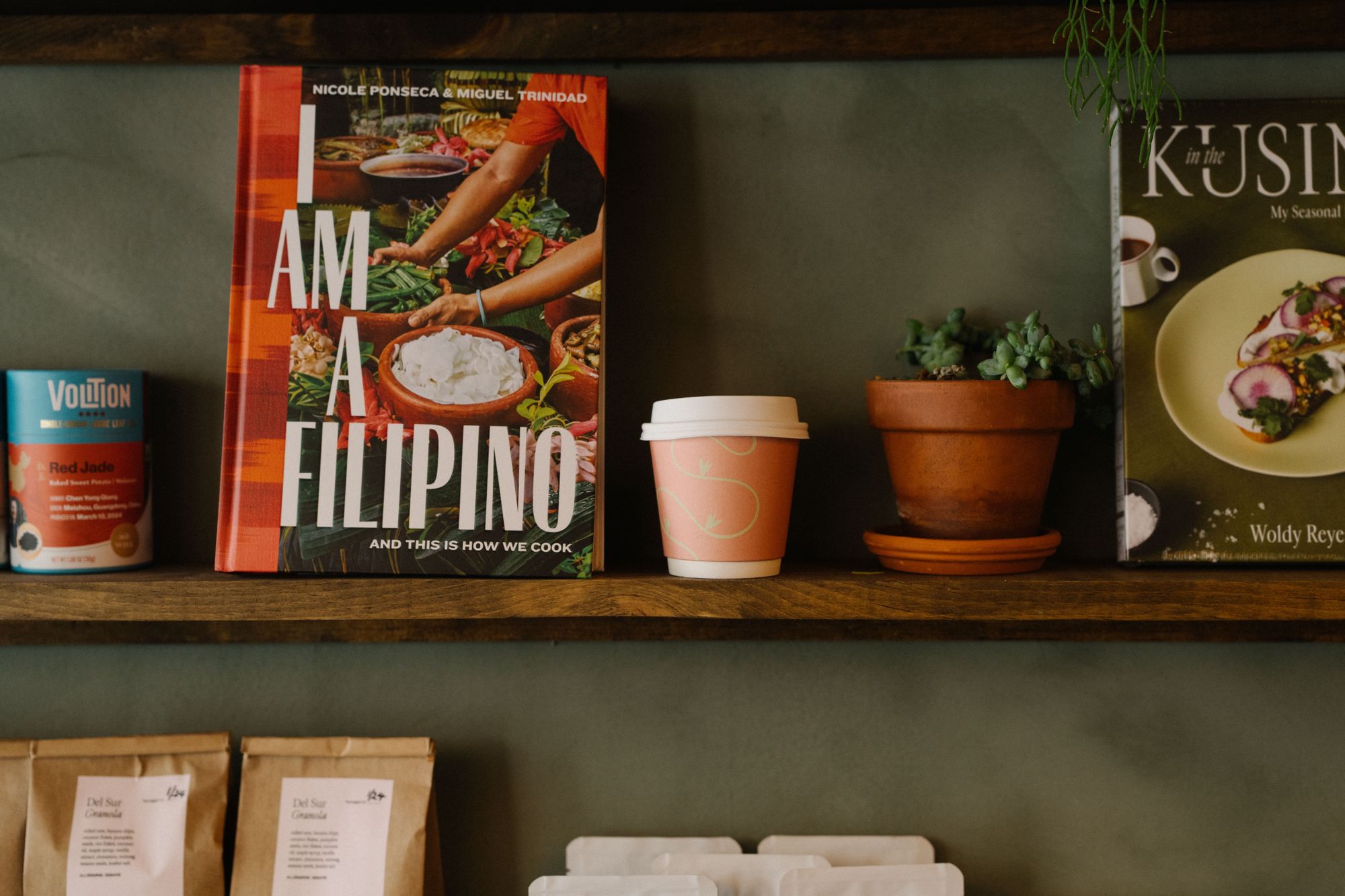
The bakery sits in Lincoln Square, a quiet neighborhood on Chicago's north side where young families push strollers past a growing cluster of Filipino-owned businesses. Locals have started calling it Manila Town. Lerias looked at 16 locations before landing here. He wanted somewhere that matched the pace he was building: intentional, neighborhood-scale, unhurried.
When he opened the doors on March 29, 2025, he braced for criticism. Would Filipinos think his pastries weren't Filipino enough? But then the messages started coming in. Older Filipinos telling him the flavors reminded them of something they ate as kids. That recognition became the foundation. Filipino flavors, Midwestern flare. The flare, Lerias explains, is hospitality. Warmth. The feeling that you're welcome before anyone says a word.
People Forward
Everyone on Lerias's team is older than him. He's 24. His bakers and baristas are late twenties, early thirties. The dynamic could be awkward. Instead, it's become the proof of concept for everything he believes about running a business.
Four-day work weeks. Fair wages. Health insurance. A policy that the customer is not always right, because the people behind the counter are human and humans make mistakes. These aren't aspirations. They're operational.
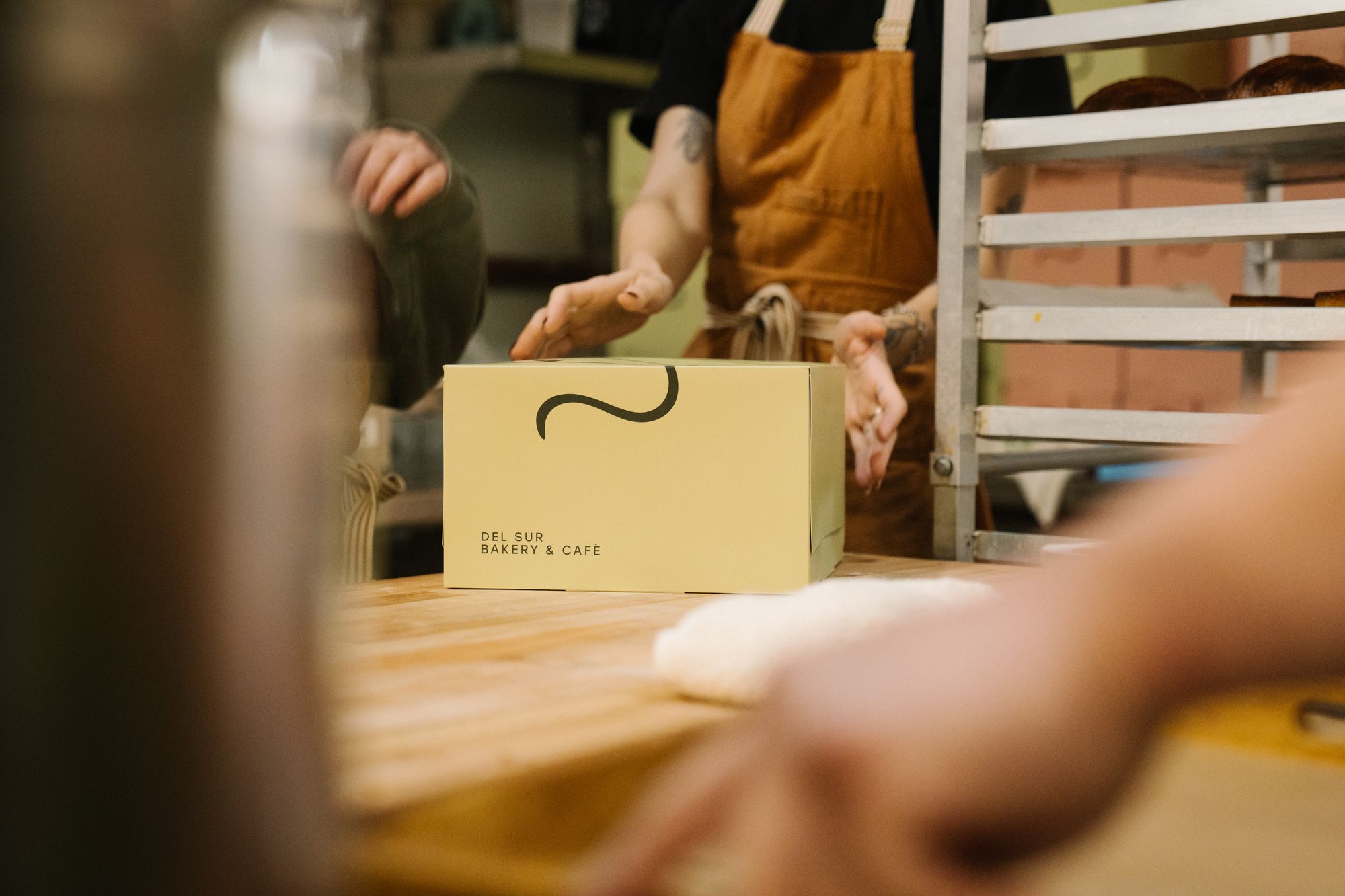
"We're not driven by profits," Lerias says. "Which is funny, because we make a lot of profit. I think it's because of how happy our workers are."
He frames the relationship in reverse of how most owners think about it. His employees aren't working for him. He's providing a platform for them. "These people are spending their time to make my dreams come true. The least I can do is make sure they're happy."
The goal is to be a stepping ground, not a ceiling. If someone on his team wants to open their own place someday, he wants Del Sur to be the reason they're ready.
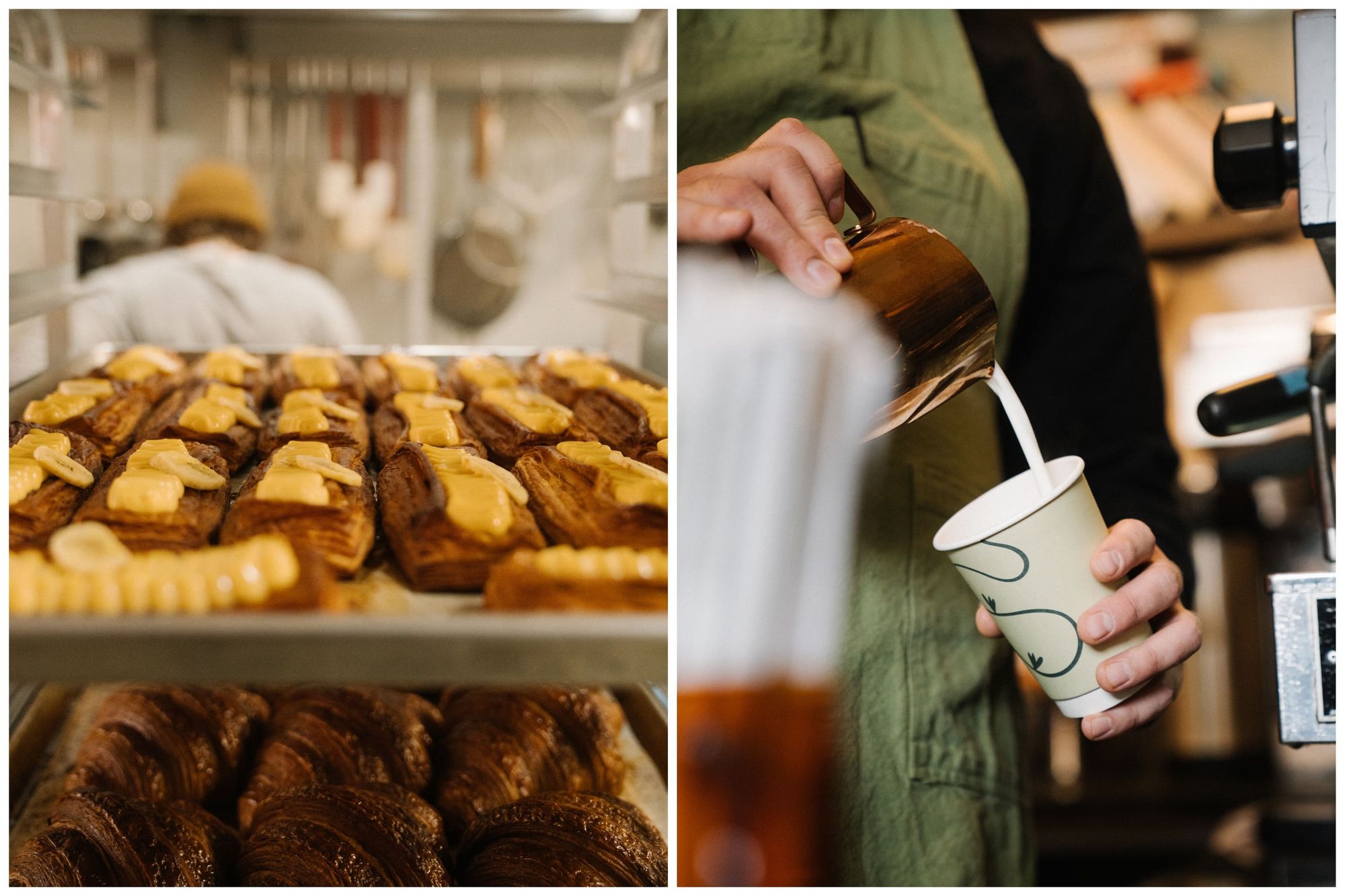
Beautiful Chaos
The bakery is mid-renovation when we visit. The original space, a to-go counter operation, is expanding into the unit next door. Soon there will be indoor seating. For now, there are boxes everywhere.
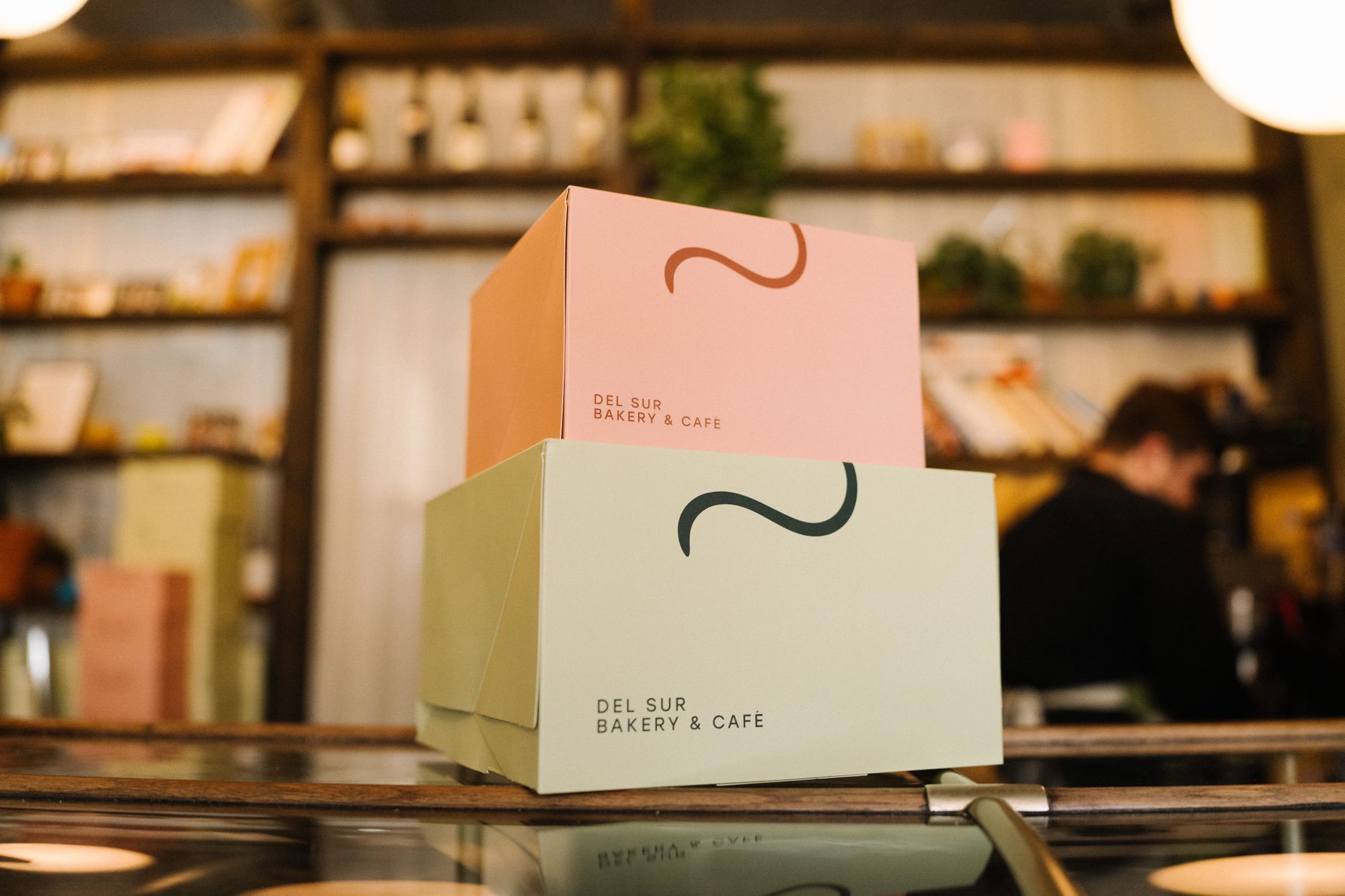
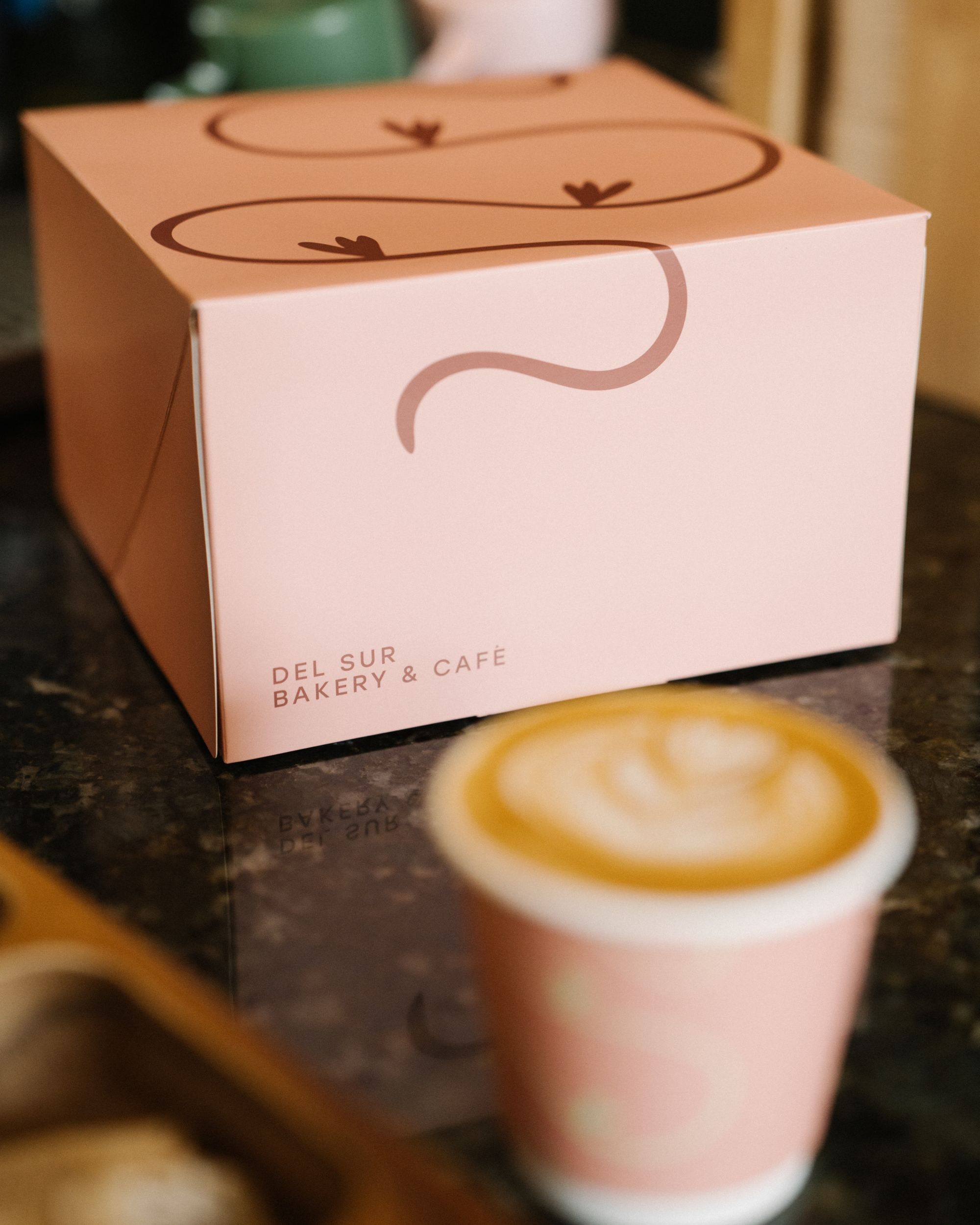
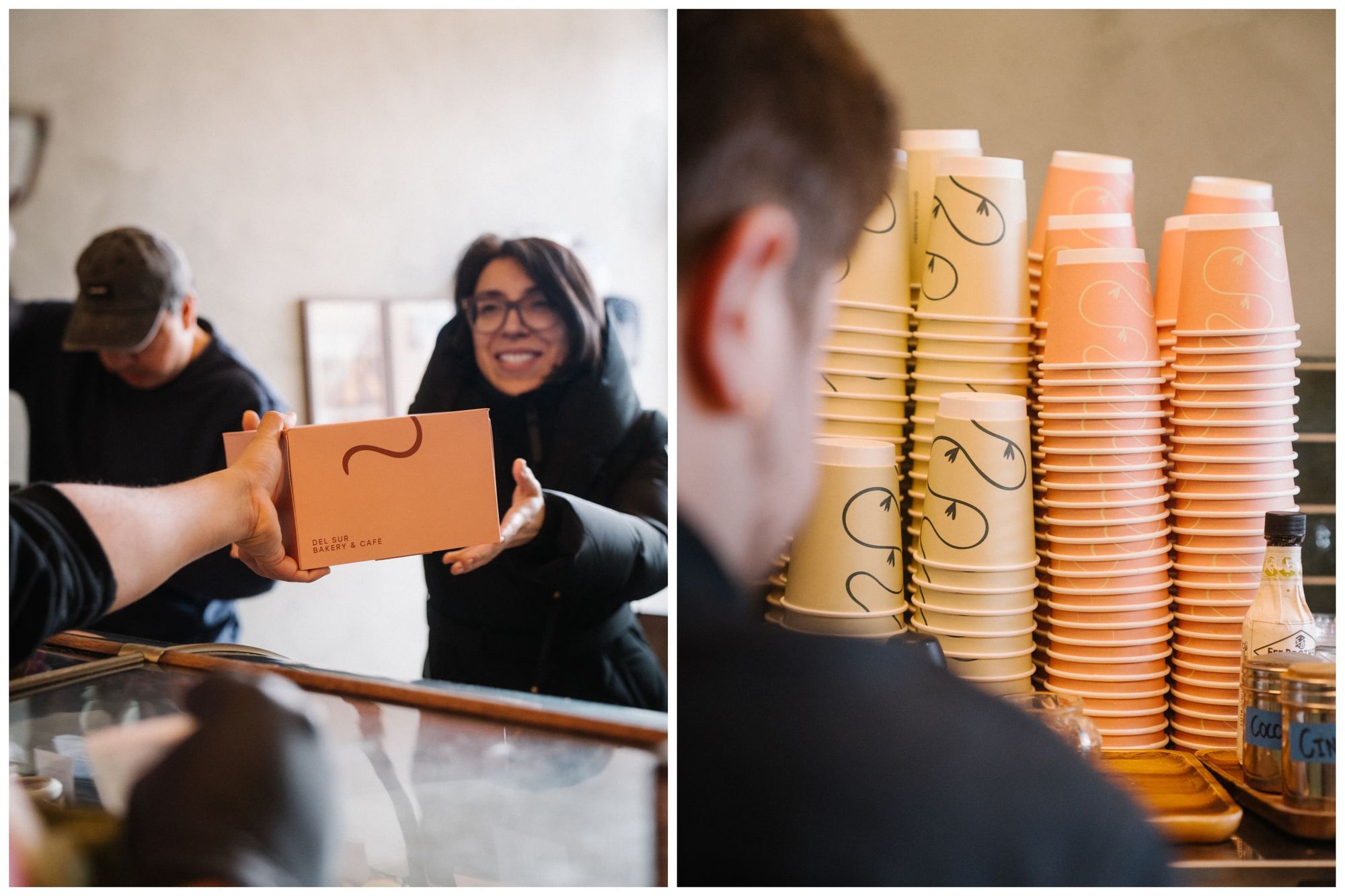
Stacks of pastry boxes line the walls, printed and folded, ready for the morning rush. The packaging has become its own small phenomenon. Customers send Lerias photos of strangers carrying Del Sur boxes around the neighborhood. The branding travels.
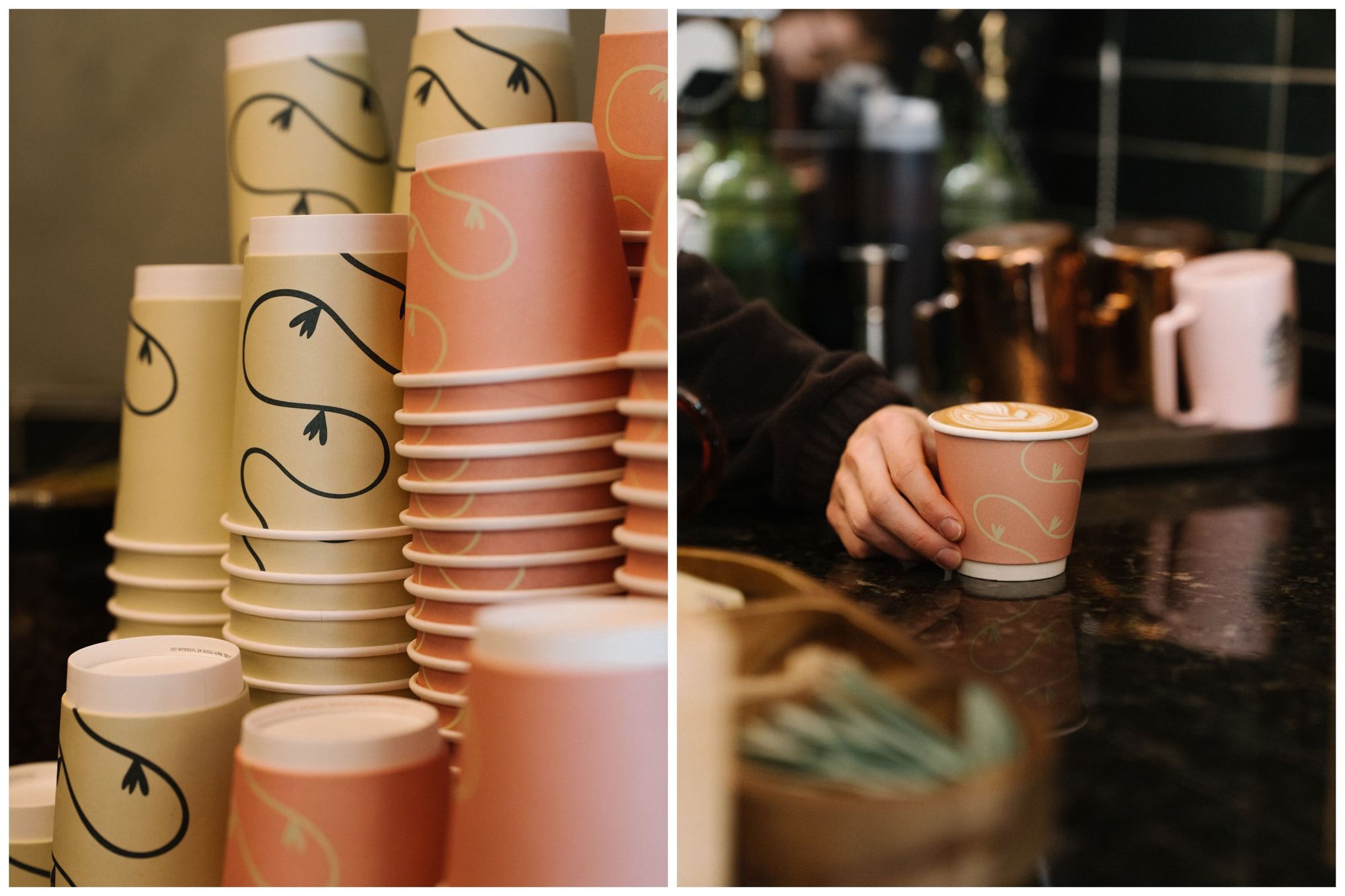
Less than a year in, Del Sur is already outgrowing itself. The recipes that started in an apartment, the ones Lerias was afraid wouldn't translate, are now moving thousands of pastries. Same flavors. Same intention. Just more hands to shape the dough.
What Stays the Same
Growth hasn't changed the math. The bakers still arrive at 4 a.m. The pastries still sell out. The values Lerias built the business on (equity, transparency, a workplace that treats people like people) still dictate how decisions get made.
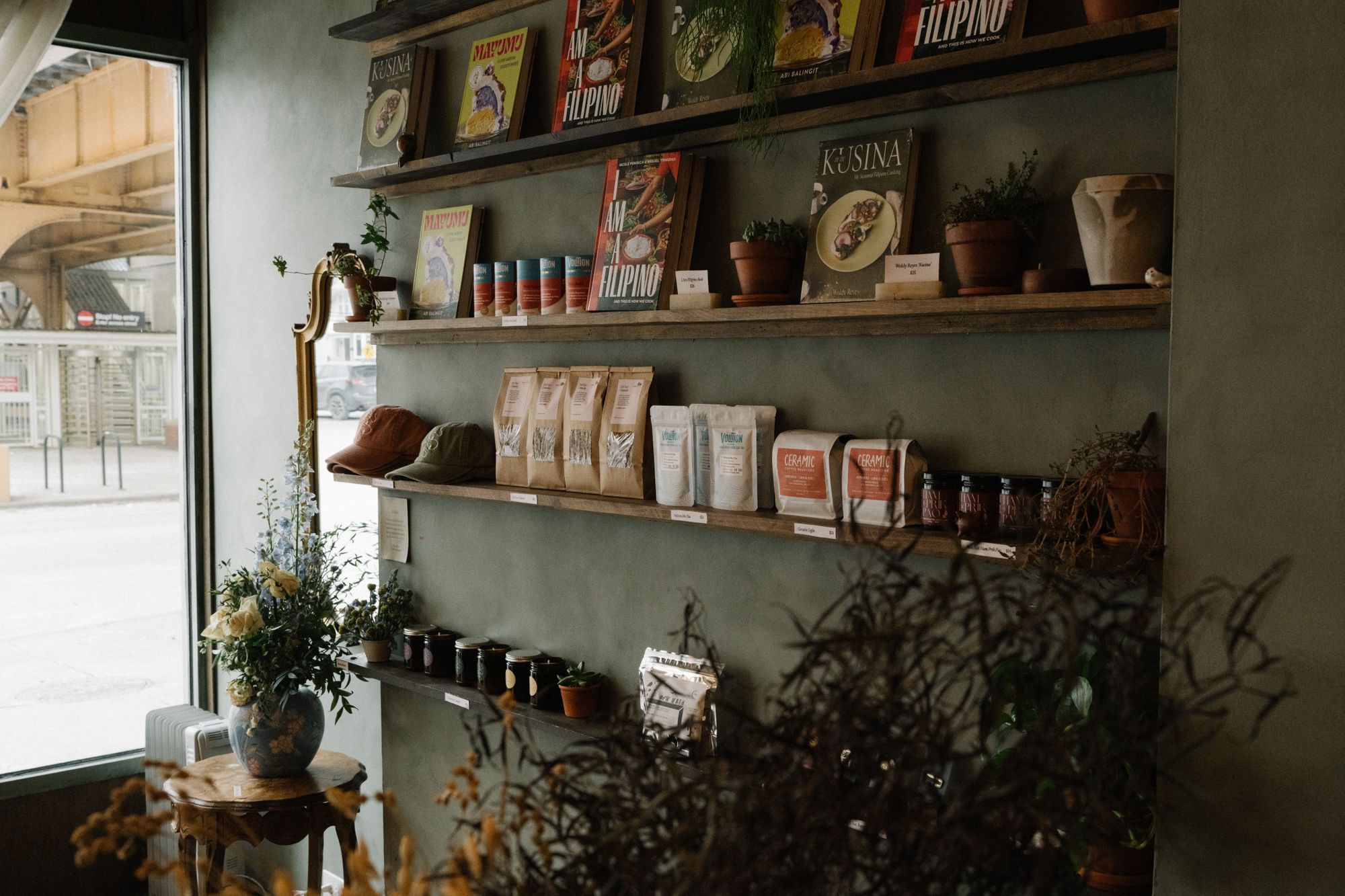
The neighborhood has noticed. Lincoln Square isn't just gaining another bakery. It's gaining a proof point that the food industry doesn't have to operate the way it always has. That a 24-year-old can open a shop, pay a living wage, offer a four-day week, and still turn a profit. That hospitality can extend behind the counter, not just in front of it.
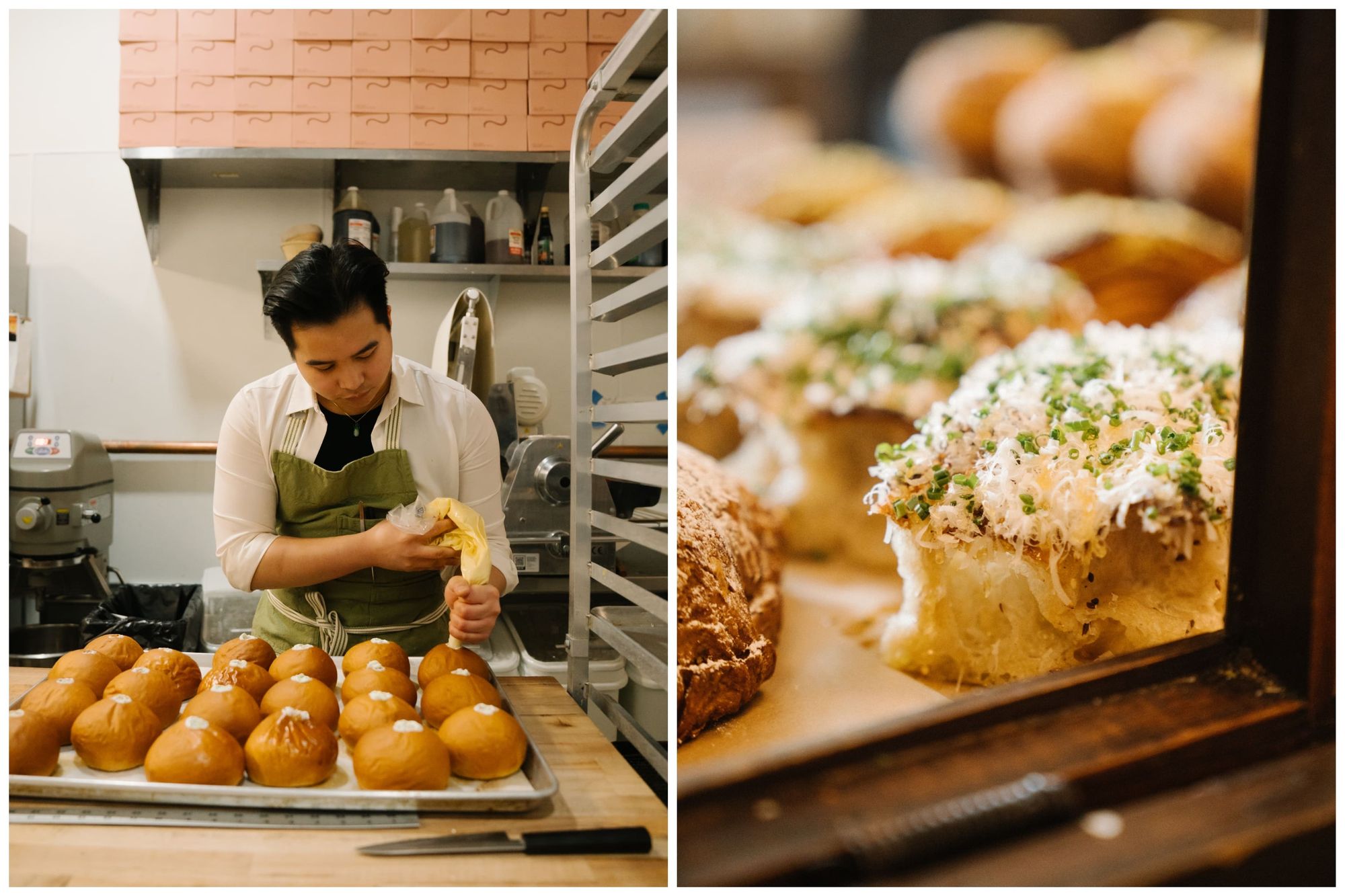
Del Sur means from the south. But what Lerias has built belongs to the place it landed. A Chicago bakery, Filipino at its core, Midwestern in its welcome, expanding one pastry box at a time.